
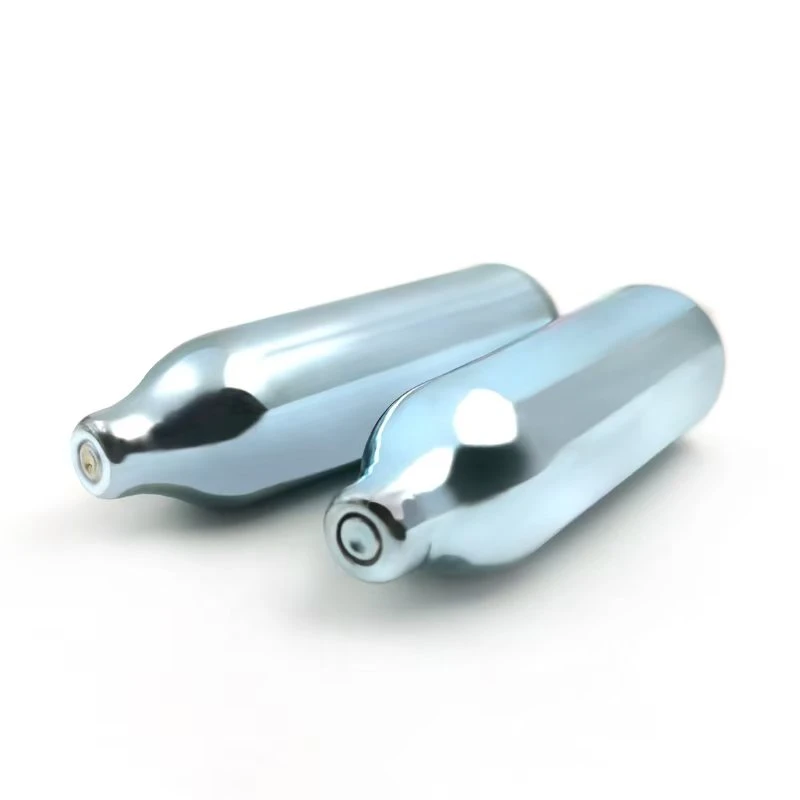
If you’ve ever had whipped cream that looks fine at first but feels a little rough on the tongue, you’re not alone. That slightly grainy texture, big bubbles, or foamy finish is one of the most common complaints I hear—especially from home cooks who are just starting to use cream chargers.
The good news is that smooth, fine whipped cream isn’t about fancy ingredients or complicated tricks. It’s about a few small details that make a big difference. These are the same things chefs pay attention to in professional kitchens, even if they don’t always talk about them.
Let’s break it down in a practical way.
Start With the Right Cream
If your whipped cream feels coarse, the problem often starts before you even add gas.
For consistently smooth results, heavy cream with 30–36% fat is the sweet spot. Lower-fat cream can whip, but it struggles to hold a tight structure, especially when using a charger system. That’s when you get larger bubbles and a lighter, foamy texture instead of a fine, silky one.
Also, fresh cream matters. Cream that’s close to its expiration date tends to whip unevenly, no matter how good your technique is.
USE the Cold Cream
This is one of those boring tips that chefs repeat because it works.
Cold cream absorbs nitrous oxide more evenly. When everything is warm, the gas doesn’t fully dissolve, and you end up with uneven bubbles. That unevenness is what your mouth reads as “grainy.”
Ideally:
- Keep the cream cold
- Chill the dispenser
- Even the nozzle benefits from being cold
This is one reason many kitchens prefer using a cream charger tank. The pressure is steady, and when paired with cold ingredients, it helps produce a more uniform texture instead of sudden bursts of gas.
Don’t Rush the Gas
One of the biggest mistakes I see is rushing the charging process.
More gas does not mean smoother cream. In fact, overcharging is one of the fastest ways to ruin texture. Too much pressure forces large bubbles into the cream, which is the opposite of what you want.
With a cream charger tank, you have more control, which is a good thing—but only if you use it gently. Slow, controlled charging allows the gas to dissolve properly instead of blasting through the liquid.
After charging, give the dispenser a good shake. Not one or two quick shakes—really mix it. Think of it as helping the cream and gas actually get to know each other.
Shake Like You Mean It
Shaking is where smoothness is made.
Uneven shaking leads to uneven bubbles. I usually recommend shaking the dispenser 10–15 times, rotating it as you go. Up, down, slightly angled—don’t just do the same motion over and over.
If you’re using a tank system, this step becomes even more important. The gas flow is consistent, which is great, but it relies on you to distribute it evenly throughout the cream.
Before serving, release a small test burst. This clears the nozzle and helps ensure the cream comes out with a finer texture.
Watch the Flow When Dispensing
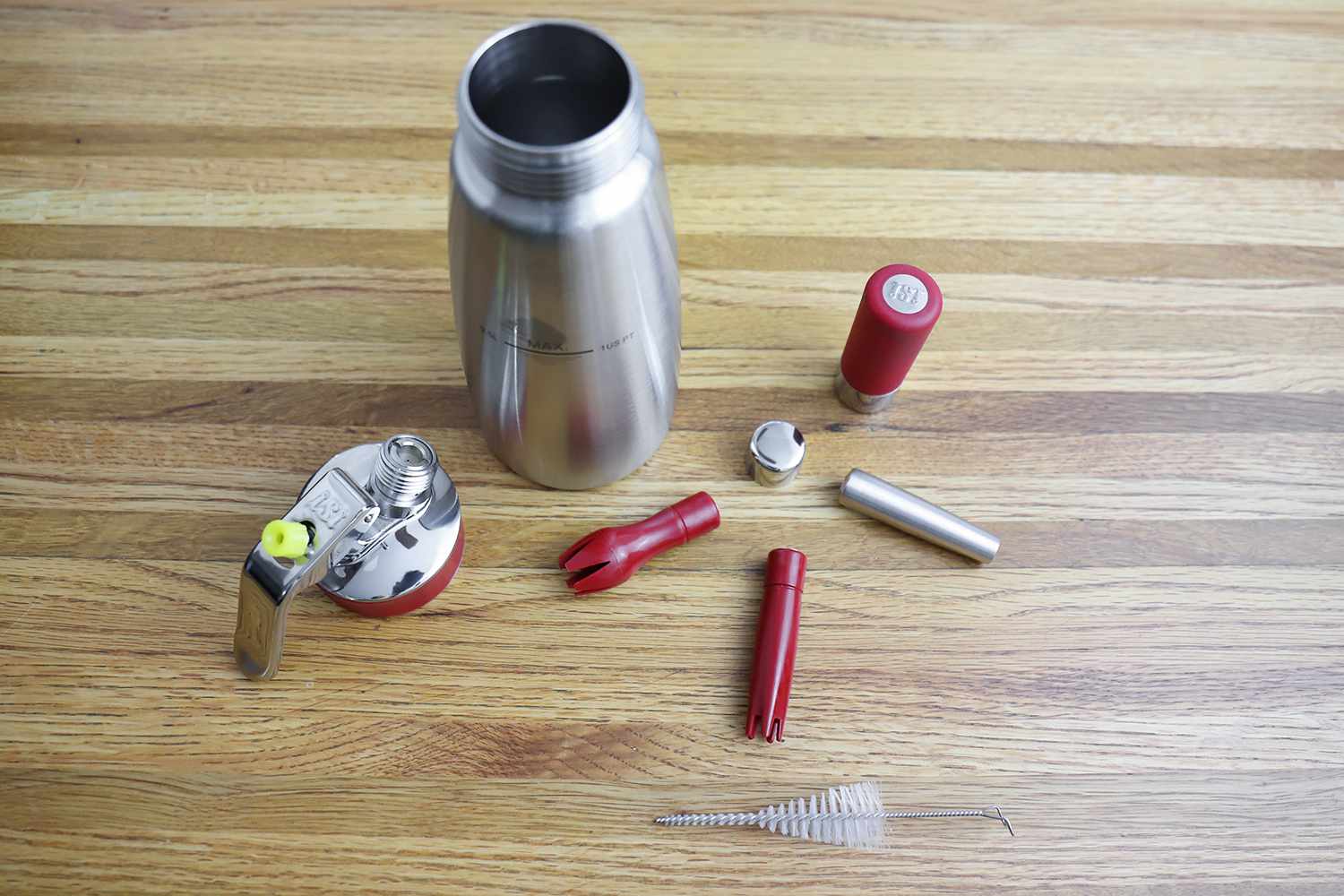
How you dispense whipped cream affects texture more than people realize.
Hold the dispenser upside down and apply steady pressure. Jerky movements or stopping and starting can introduce air pockets, which show up as larger bubbles in the final result.
If your cream starts smooth and then suddenly looks airy, pause, shake once or twice, and continue. That small reset can make a noticeable difference.
Clean Equipment = Better Texture
This sounds unrelated, but it’s not.
Any residue inside the dispenser or nozzle disrupts the flow of cream. Even a thin layer of old cream can cause turbulence, which leads to uneven bubbles.
If you want consistently fine whipped cream, clean the dispenser thoroughly after each use—especially if you’re using it often. This is particularly important for cream charger tanks, since they’re designed for repeated use and longer-term setups.
Why Many Chefs Prefer Cream Charger Tanks for Texture?
In professional kitchens, smooth texture isn’t optional—it’s expected. One reason many chefs lean toward cream charger tanks is the stable, controlled pressure they provide.
Unlike single chargers, tanks reduce sudden pressure spikes. That stability makes it easier to create smaller, more uniform bubbles when the technique is right. You still need cold cream and proper shaking, but the margin for error is smaller once you get used to the system.
For home users who make whipped cream often—coffee drinks, desserts, or weekend baking—a tank can be a worthwhile upgrade once the basics are mastered.
Final Thought
Smooth, fine whipped cream isn’t about doing more. It’s about doing a few things well:
- Use proper heavy cream
- Keep everything cold
- Charge slowly
- Shake thoroughly
- Dispense with control
Once those habits are in place, tools like a cream charger tank simply make the process more consistent and repeatable.
If your whipped cream has ever felt just a little off, chances are it wasn’t the cream—it was one of these small details. Fix them, and the texture will speak for itself.